


Experiences Matter: Choosing the Right Photo Workshop or Tour


Choosing a photography workshop or tour is about far more than where you’re going—or how much the trip costs. It’s about alignment. Alignment between your goals, your learning style, your values, and the person who will be guiding you through unfamiliar places, changing conditions, and creative challenges.
A well-matched experience can deepen your skills, expand how you see the world, and leave you feeling supported long after you return home. A poor fit, even in a beautiful destination, can do the opposite. This article isn’t about telling you what to book—it’s about helping you ask the right questions so you can choose with confidence and intention.
Tour vs. Workshop: Know What You’re Actually Booking
Photography tours and workshops are often described as if they exist at opposite ends of a spectrum, but in practice, many experiences fall somewhere in between.
Traditional workshops frequently include dedicated classroom-style sessions built into the itinerary. These may take place in a hotel conference room or lodge common area and often focus on image critiques, lectures, or technical instruction away from the field. For many photographers, this structured separation between shooting time and learning time is helpful and effective.

Other experiences lean more heavily toward the tour model, prioritizing logistics and access, with education offered informally or as time allows.
There is also a third approach—one that intentionally merges field time and education rather than separating them. In this model, learning happens continuously in the field, woven into real shooting situations through hands-on guidance, discussion of light and behavior as they unfold, and participant-driven questions addressed in the moment they matter most.
This is the approach I use, which is why I refer to my offerings as photo adventures rather than strictly tours or workshops. The goal is to maximize meaningful time in the field while still providing deep, personalized education—without pulling participants away from changing conditions, fleeting behavior, or evolving light.

None of these formats is inherently better than the others. What matters is understanding how learning is delivered, and whether that structure aligns with how you prefer to engage, absorb information, and create.
Apples to Oranges: Understanding Pricing Beyond the Number
When comparing pricing, it’s easy to assume that two trips in the same destination offer comparable value. In reality, pricing often reflects very different experiences, even when itineraries look similar on the surface.
Costs may include—or exclude—lodging quality and location, private versus shared transportation, permits and entrance fees, local guide support, and the number of true field days versus travel or downtime. These details directly influence how much time you actually spend photographing, and under what conditions.
Rather than asking why one experience costs more than another, it can be more useful to ask what that price supports—and how those choices shape the experience as a whole.
Both images list “tent lodging included,” but not all tent accommodations are equal. In an experience built around long days and early mornings, the quality of your rest becomes part of the value equation.

A canvas tent with sleeping roll and sleeping bag in Utah. 
Luxury tent at a five star bush camp in the Okavango Delta in Botswana.
Instructor Access and Group Size: How Numbers Shape Learning and Images
Instructor access is often described in terms of how much time you’ll have to ask questions or receive feedback. In reality, access is shaped just as much by group size as it is by teaching style.
In smaller groups, instructors are able to observe how each participant works in the field—how they approach light, composition, and subject behavior—and offer guidance in real time. Instruction becomes responsive rather than scheduled.
As group size increases, that dynamic changes. Even the most dedicated instructor has finite attention, and individualized guidance inevitably becomes more limited.
Group size also affects physical access in the field, which in turn shapes both learning and image-making. Many locations—particularly in wildlife settings—offer only a handful of optimal shooting positions where light, background, and subject alignment come together cleanly. In larger groups, not everyone can occupy those prime positions at the same time.
Participants may still be in good spots, but there is often a meaningful difference between good and ideal. Working around others’ gear, waiting turns, or adjusting compositions to accommodate space can quietly interrupt both creative flow and instruction. Jockeying for position is rarely enjoyable, and it changes the tone of the experience.
Smaller groups reduce these constraints, creating a calmer field environment that benefits learning, collaboration, and wildlife behavior alike.
Does the Instructor’s Style and Philosophy Match Yours?
Several years ago, while standing at a trade show, a photographer stopped at my booth and asked a thoughtful question: What makes your tours different from another company’s, beyond just the locations offered?
“The short answer,” I told her, “is me.”
The longer answer is that when you sign up for a photography workshop or tour, you’re not just choosing a destination or an itinerary—you’re choosing a person. You’re choosing their way of seeing, their way of teaching, and the way they move through the world.
On a multi-day experience—often one or two weeks long—you’ll spend long days together in the field. You’ll share early mornings, unpredictable weather, missed shots, and quiet moments of waiting. You’ll sit at the same table for meals, ride together in vehicles for hours at a time, and navigate both creative challenges and physical fatigue.

In that context, an instructor’s personality, photographic philosophy, and general comportment matter deeply. Ask yourself whether you genuinely want to learn from this person. Do their images resonate with you—not because you want to replicate them, but because you respect how they approach subjects, light, and storytelling?
A very small collection showcasing my particular styles for wildlife and landscape photography, based on the colors, tones, and depths of field I like to work with to create my visual stories.

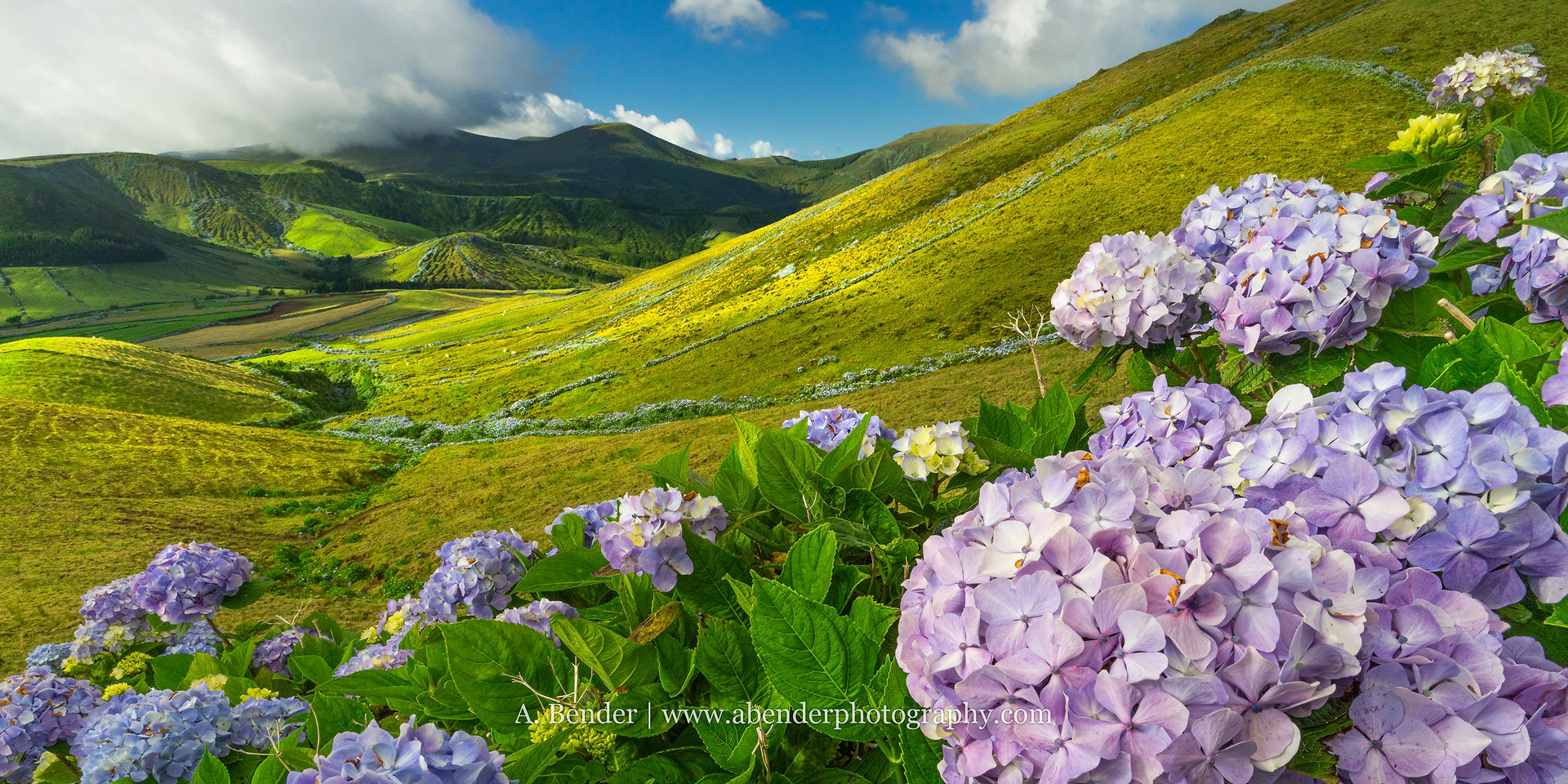


Just as important, do you feel comfortable around them? Compatibility matters. A strong workshop experience depends on mutual respect and a learning environment where you feel supported, not intimidated.
Ethical Photography Practices Are Not Optional
Ethical considerations should be foundational to any photography workshop or tour, not an afterthought.
This includes how wildlife is approached and photographed, how regulations are respected, and how cultural norms are honored. Be cautious of experiences that promise guaranteed encounters or rely on baiting, excessive playback, or staged interactions. Consider asking about the methods used or the qualifications of those handling subjects if staged situations are listed.

Ethical leadership means prioritizing the well-being of subjects and places over convenience or outcomes. It also fosters better photography—images made with patience, restraint, and understanding tend to be more meaningful and more enduring.
Local Relationships vs. Transactional Tourism
Strong local relationships quietly shape access, safety, flexibility, and cultural awareness. Workshops built on long-term partnerships with local guides and communities often operate very differently than those that arrive for a single visit.
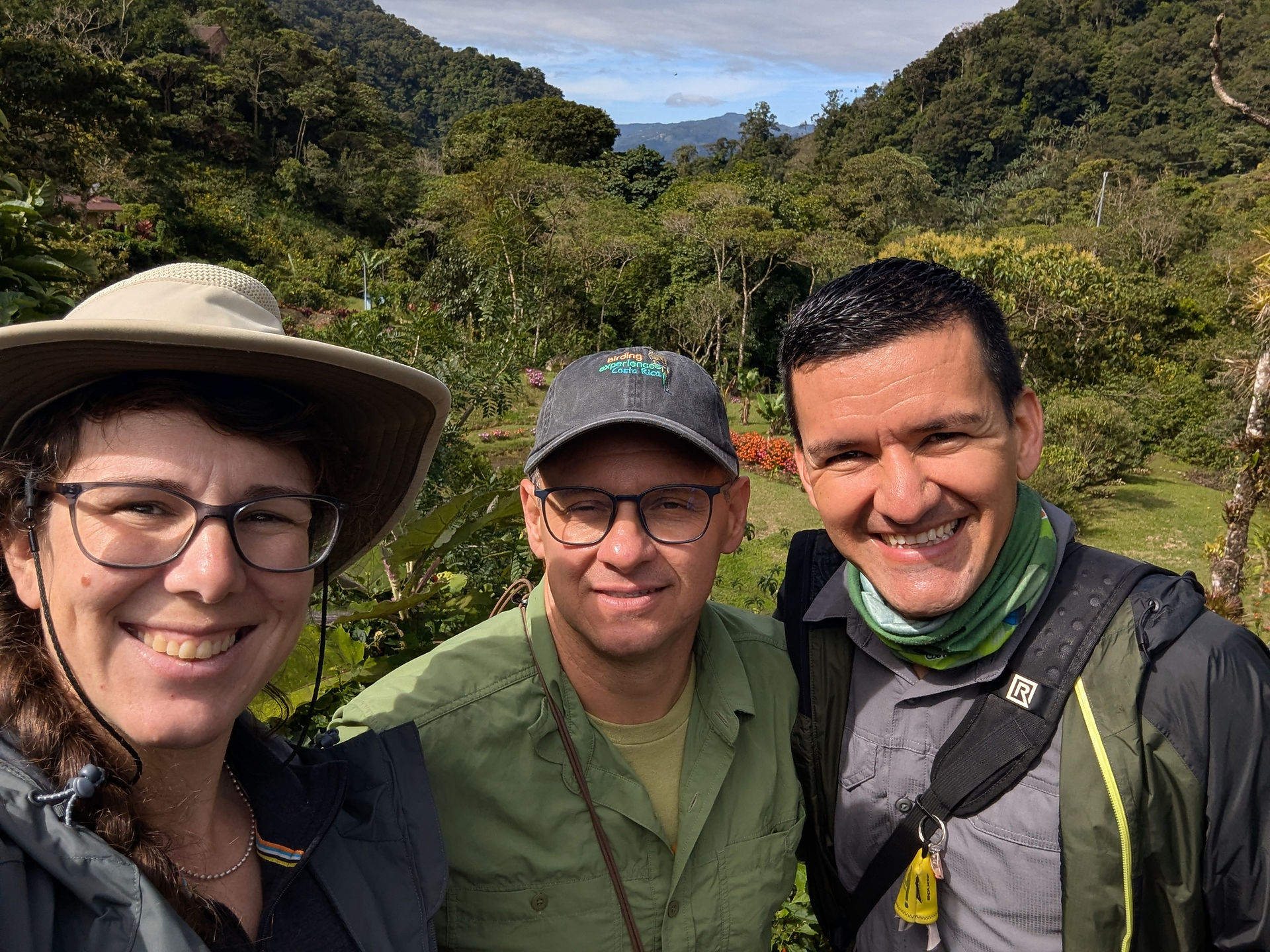


These are just a handful of my amazing local guides/friends - from Costa Rica to the Faroe Islands to Caddo Lake, TX - that continue to help and support my groups through the years.
It’s also important to understand how much direct experience the tour/workshop leader has in the destination itself. In some cases, photographers offer trips to locations they are visiting for the first time, relying entirely on a local guide to manage logistics and access.
While local expertise is invaluable, a leader without firsthand experience may not yet be fully familiar with the physical demands required to reach certain locations, how conditions shift across seasons, or how pace and terrain affect participants. That lack of familiarity can limit how clearly requirements are communicated ahead of time, making it harder for participants to assess whether a trip is truly a good fit.
Experiences like this can still turn out well—but transparency matters. Participants deserve to know whether they’re benefiting from established familiarity or effectively funding a learning curve.
Physical Requirements, Safety, and Personal Needs
Photography tours and workshops often involve more physical demand than marketing language suggests. Terrain, weather, early mornings, long field days, and extended time on foot or in vehicles all factor into the experience.

From a safety standpoint, participants should receive clear, accurate information about what is required to reach shooting locations and move through the environment comfortably and responsibly. Honest self-assessment is equally important. Recognizing personal limitations is not a weakness—it’s part of choosing well.
Physical considerations also include dietary needs and accommodation flexibility. Some locations can easily support specific requirements, while others have limited options. Knowing this in advance allows participants to plan appropriately or decide whether an experience is the right fit.
Instructor Training, Risk Awareness, and Preparedness
When workshops take place in remote or unpredictable environments, preparedness should extend well beyond basic first aid.
It’s reasonable to ask what training an instructor has pursued. Have they invested in wilderness first aid, emergency response, or risk assessment education? Do they maintain those skills through continued training?

Preparedness isn’t just about responding to emergencies—it’s about anticipating risk, making conservative decisions when conditions change, and communicating clearly so participants feel informed rather than surprised.
Communication Is Part of the Experience—From the Very Beginning
Participants should never feel unwelcome asking questions—before booking, after booking, or during the experience itself. Questions about logistics, physical demands, safety, ethics, or accommodations are not inconveniences; they are part of responsible decision-making.
This is a service industry. Leaders who recognize that will communicate openly, respectfully, and without defensiveness. Pay attention not just to what is answered, but how. If reaching out feels uncomfortable before you’ve paid, that discomfort is unlikely to disappear in the field.
Strong communication builds trust, sets expectations, and creates an environment where learning and creativity can thrive.

Post-Trip Value: Does the Learning End When You Go Home?
For some tours and workshops, the experience ends when the itinerary does. For others, learning is ongoing.
My philosophy has always been "once my student, always my student". Questions don’t stop when a trip ends, and growth rarely follows a neat timeline. Participants should feel welcome reaching out long after a photo adventure concludes—whether weeks, months, or years later.
Meaningful education is a relationship, not a transaction.
Red Flags to Watch For When Choosing a Photography Workshop
As you evaluate options, there are patterns worth noticing:
Vague itineraries heavy on marketing language
Guaranteed wildlife encounters
Large groups paired with minimal instruction
Reluctance or defensiveness when asked direct questions
Lack of clarity around safety, ethics, or physical requirements
None of these automatically disqualify an experience—but they’re worth paying attention to.
Choosing a Photography Workshop With Intention
At its best, a photography workshop or tour is a collaboration. You’re not just booking a destination—you’re choosing a guide, an educator, and a shared approach to moving through the world with a camera.
Trust your instincts. Ask questions early on. Pay attention to how values are demonstrated; not just stated. When philosophy, preparedness, ethics, and communication align, the experience becomes more than a trip—it becomes a foundation that supports your growth as an artist long after the journey itself has ended.


Comments