


Discover Botswana: A Wildlife Photography Safari Through Chobe, Moremi, and the Okavango Delta


There are some trips that go exactly as planned, and then there are the trips that remind you why travel, wilderness, and wildlife photography are never truly meant to be packaged too neatly.
Last month (April), I co-led a photographic safari through Botswana with David W. Shaw, and while I knew going in that the trip would be special, Botswana had a few extra lessons waiting for us. This was not a safari of manicured roads, predictable sightings, or “drive here, photograph that” simplicity. This was a mobile safari through a country transformed by historic rains, where floodwaters had pushed into unexpected places, grasses grew taller than the windows of our vehicles, and crocodiles swam beneath acacia trees.
So yes, we had wildlife. Lots of wildlife.
But more than that, we had an adventure.
And honestly, that is exactly why this safari is called Discover Botswana.
From Johannesburg to the Chobe
Our group met in Johannesburg before flying onward to Kasane, where Botswana began easing us into the rhythm of safari life with one final night in a real hotel and a sunset photography cruise on the Chobe River.
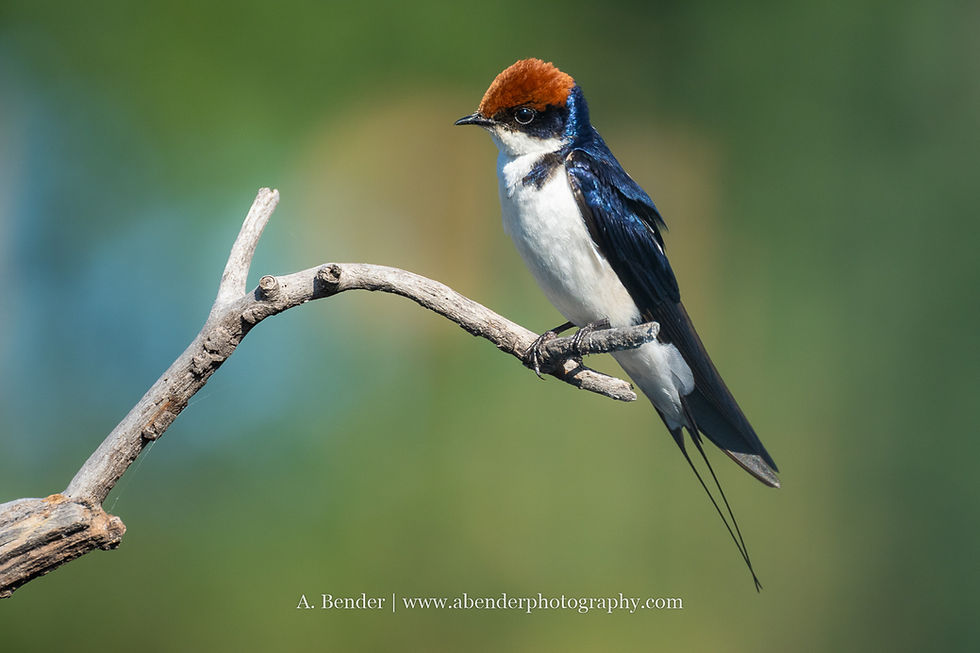
It is always a bit of a transition, moving from airports and luggage carts into observational photography mode of the field. The Chobe helped with that. Water has a way of slowing people down, and by the time we were photographing along the river, watching elephants, birds, and the day’s final light move across the landscape, the group was already beginning to settle into the pace of the trip. That evening, clouds built across the sky and microbursts dropped in the distance, adding drama, texture, and brilliant sunset color to our first taste of Botswana from the water.

That first evening gave us a beautiful introduction, but it was really just the beginning.
The next day, we exchanged hotel walls for canvas, paved roads for bush tracks, and predictable plumbing for bucket showers, basins, and hot water delivered by camp staff three times a day.
And just like that, we were in it. The African Bush.
For the next nine nights, our home was a series of mobile bush camps as we traveled through Chobe National Park, the Moremi Depression, and the Okavango Delta. Each move carried us deeper into Botswana’s wild interior, and each camp became its own small world of lantern light, mixed dialects, stories, and night sounds.
A Year of Water, Grass, and Improvisation
Botswana is already a place defined by water and seasonality, but this year had its own personality.
Historic rains had flooded many parts of the country, changing both access and animal movement. Areas that might normally have been dry were holding water. Roads were underwater. Some bush tracks had not seen vehicles in weeks due to park and governmental closure. The grasses were incredibly tall, which made photographing certain subjects more challenging, but also created a lushness and sense of place that was impossible to ignore.

This is where a mobile safari becomes something more than transportation and tents.
It becomes a reminder that in wild places, flexibility is not a backup plan. It is the plan.
There were times when we had to find our way around flooded sections, test tracks carefully, and rethink routes as conditions shifted. It was not always the easiest version of Botswana, but it was one of the most interesting. The landscape felt alive in a way that only a wet, abundant year can create. Green grass stretched in every direction. Water reflected skies heavy with clouds. The animals appeared and disappeared through the vegetation in ways that required patience, anticipation, and a good sense of humor.
For photographers, tall grass can be both gift and curse.

It hides legs, covers faces, and occasionally insists on placing one (or several) very enthusiastic blade exactly where you do not want it. But it also gives context. It tells the story of the season. It creates layers, softness, and surprise. Impalas lifting their head above the green. Elephants grazing under pink clouds. A leopard moving like a shadow through the vegetation. These are not sterile portraits. They are images of animals in a living, breathing landscape.

Wildlife in Camp and the Reality of the Bush
One of the great joys of a mobile safari is that the wilderness does not stop at the edge of camp.
There is no hard line where “safari” ends and “lodging” begins. The camp is part of the environment, and the environment very much continues around you.

We had monkeys steal from camp. Elephants wandered nearby. And, in one of those only-in-the-bush moments, we even had a mating pair of lions close enough to camp to remind everyone that Botswana is still very much wild after dinner.

This is part of what makes mobile safari life so memorable. You are not returning each evening to something sealed off from the landscape. You are eating dinner beneath the same sky you photographed all day. You are falling asleep to the sounds of the bush. You are waking before sunrise while the air is still cool, stepping out of your tent with a headlamp, and wondering what crossed through camp during the night.

It requires respect, of course. We listen to the guides. We do not wander around casually after dark. We move with awareness. But there is something grounding about being that connected to place.
It brings a person back to the basics in the best way.
The Payoff: Cheetah Cubs, Painted Dogs, and Storm-Light Sunsets
Despite the challenges of grass and water, the photographic rewards were exceptional.
We watched cheetah cubs play, all awkward limbs, curiosity, and energy. There are few things that can undo a vehicle full of photographers faster than young predators being young predators. One moment everyone is calm and composed, and the next there is a collective attempt to quietly gasp, photograph, adjust settings, and not say something ridiculous all at the same time.

We also had the privilege of observing African painted dogs, one of the continent’s most endangered predators. Seeing them is always special. Seeing them interact as a family is something else entirely.

Painted dogs are not just visually striking animals. Their social structure, communication, and cooperative behavior make them fascinating to watch. They are constantly reading one another, moving with purpose, checking in, shifting roles. For a photographer, those interactions are where the story lives. A single portrait can be beautiful, but a family group interacting gives us behavior, relationship, and context.

Those are the moments I hope for on safari. Not simply the “I saw it” moments, but the “I watched something unfold” moments.
And then there were the skies.

Almost every day, we had interesting weather. Not always easy weather, but interesting weather, which is usually better for photography anyway. Storm clouds built in the distance. Sunsets broke through in glowing color. The land held that electric tension that comes when weather, light, and wildlife all decide to share the same stage.

Some days were a bit dusty. Some days were muddy. And we did have one day of actual rain. Almost all days required route adjustments, patience, and a willingness to accept that nature does not owe us clean backgrounds or perfect timing.
But when Botswana gave, it gave beautifully.
Birds Everywhere, All the Time
Of course, it was not only mammals that carried the trip.
The birds were constant companions.

Every day brought hornbills, and not just one kind. We saw multiple species throughout the safari, from the more common daily sightings to the incredible presence of endangered southern ground hornbills moving in family groups. There is something prehistoric about giant ground hornbills. They are birds that feel like they stepped out of another era, walking through the grass with that slow, deliberate confidence.
We photographed bee-eaters and rollers, those ridiculous little jewels that seem almost too colorful to be real. Storks worked the wetlands. Oxpeckers rode along with larger mammals, reminding us that every wildlife sighting usually contains smaller stories layered within it. Kingfishers flashed along water edges. The bird list could go on for quite a while, and honestly, it probably should.


Botswana is often marketed heavily around elephants, lions, leopards, and other iconic mammals, and for good reason. But the birdlife adds so much texture to the experience.
Birds fill the in-between moments. They keep your eyes working when the larger mammals are resting. They create opportunities for flight practice, behavior photography, environmental portraits, and pure color.
They also keep photographers humble.
A bee-eater never cares that you just got your autofocus settings where you want them. It will leave anyway.
Life in Mobile Camp
After long field days, camp became its own highlight.
Our group was a lot of fun, which makes a difference on any trip, but especially on a mobile safari where everyone is sharing space, stories, dust, early mornings, and the occasional “did you hear that last night?” conversation over coffee.
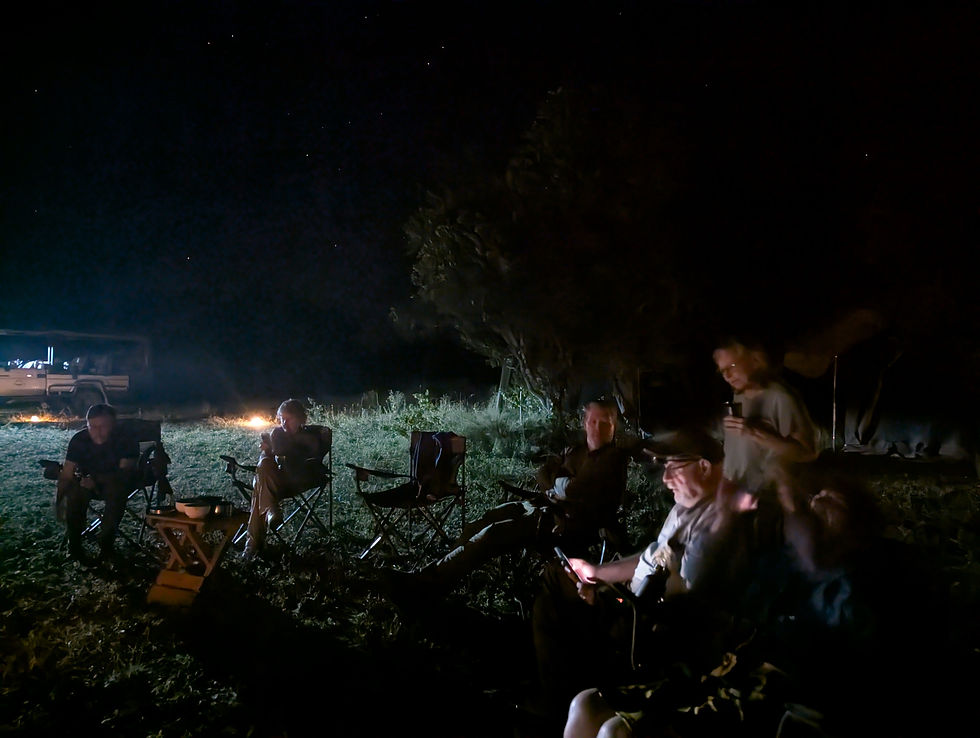
The camp staff were phenomenal.
I do not use that word lightly. Running a mobile bush camp is no small thing. Everything has to move, function, and somehow feel comfortable in remote places where there is no permanent infrastructure. And yet every day, they made it work with warmth, skill, and what appeared to be complete calm, even when I am sure there were a thousand moving parts behind the scenes.
And the food.
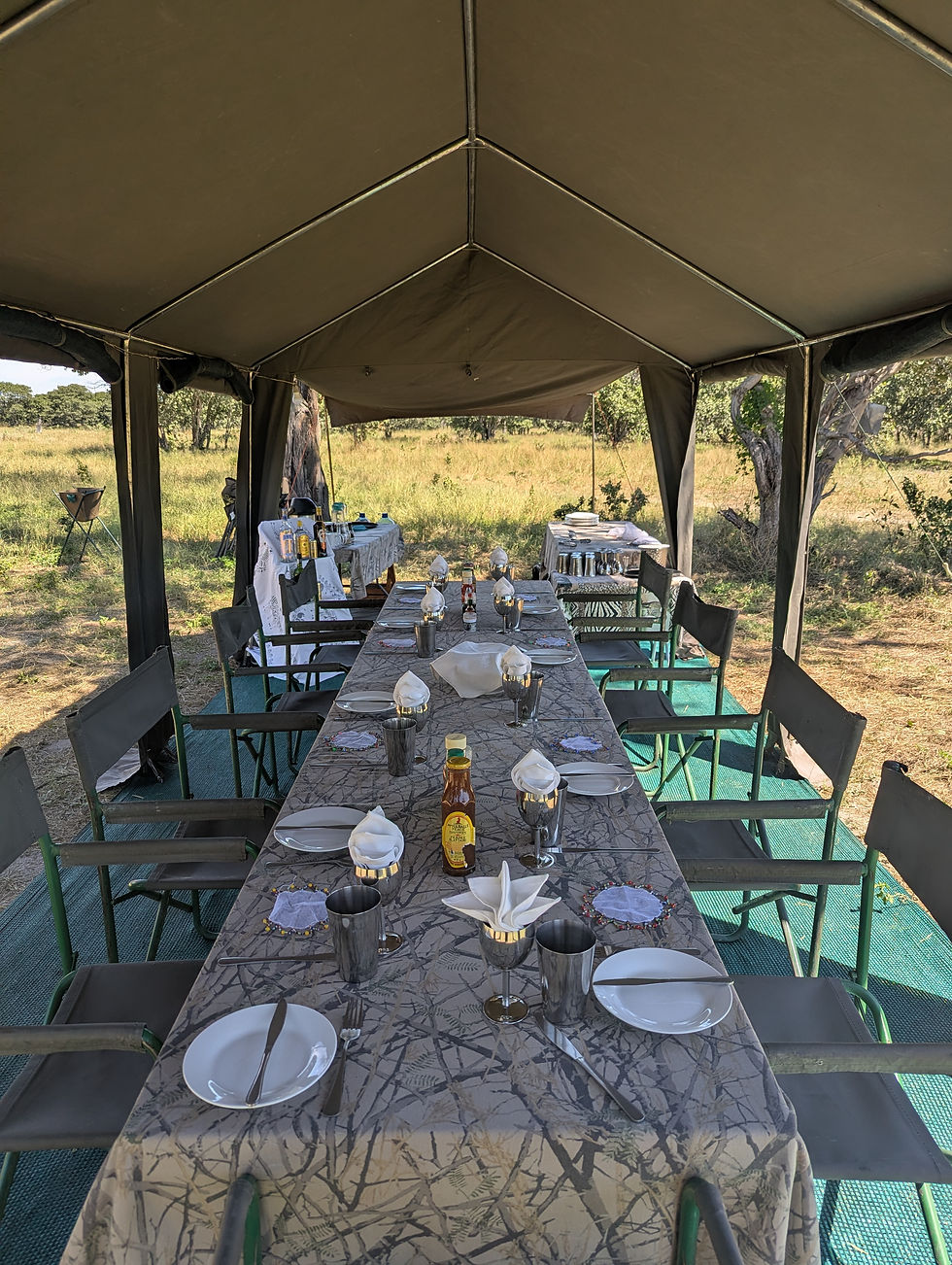
I still do not fully understand how meals that good came from a camp kitchen cooking exclusively over fire. Three meals a day, special dietary needs handled, and desserts included. Desserts. In the bush. Over fire.
There are restaurants with full kitchens that could take notes.
Then there were the beds. Technically, I suppose they were camp cots, but that word feels deeply unfair to whatever sleep magic was happening there. I have slept on enough military cots in my life to say with some authority that these were not those. If I had been given one of these so-called camp cots during basic training, I am fairly certain my entire military experience would have improved by no less than 40 percent.

No, there was not running water in the tents. But hot water was brought around three times a day: at wake-up, in the afternoon, and again before dinner. We had water for showers and basins for handwashing, and at no point did I feel like I did not have enough water to take the dust/sweat off at the end of the day.

There is something very satisfying about a shower after a long day in the field, even if it is a gravity shower. It is not fancy, but it is effective. And when you are standing there under warm water in the middle of the bush, listening to the evening settle around camp, it feels like exactly enough.
From Elephants to Pygmy Mice
One of my favorite things about wilderness travel is the way scale shifts throughout the day.

You can spend the morning photographing elephants, the largest land mammals on Earth, and then later that night find yourself walking a few steps from the dinner table with a flashlight, looking for one of the smallest rodents in the world: the African pygmy mouse.

That kind of contrast delights me.
It is also a reminder that biodiversity is not only found in the obvious subjects. Yes, elephants are extraordinary. Lions are extraordinary. Cheetah cubs playing in beautiful light are definitely extraordinary. But so is a tiny mouse moving through camp after dark. So are the frogs calling around the Delta. So are the insects, tracks, feathers, plants, and all the small signs of life that surround the bigger wildlife moments.


Once we reached the Delta, the nighttime searches shifted from mice to frogs, which felt fitting. Water changes everything. The soundscape changed. The camp edges changed. The subjects changed.

That is the wilderness bush for you.
You go looking for one thing and, if you are paying attention, find a dozen others.
Why “Discover Botswana” Fits
By the end of the safari, the name Discover Botswana felt even more appropriate than it did at the start.
This trip is not just about checking species off a list. It is not about pretending the wild can be controlled or that photography happens on command. It is about entering a landscape as it is, in the season it is in, and working with what it offers.

Some years and seasons that means dust and dry channels. This year, in the middle of their autumn season, it meant flooded roads, tall grasses, storm skies, and crocodiles swimming beneath acacia trees (still tickles me thinking of that!).
And when we are willing to adapt, and look beyond the obvious, what we get is often better than what we thought we wanted.

For photographers, that is the real value of a trip like this. The technical side matters, of course. We are constantly thinking about light, shutter speed, angle, background, behavior, and timing. But the deeper work is learning to respond to the field rather than forcing expectations onto it. The best photographers are the ones who can consistently create consistently great work regardless of the conditions.

A mobile safari makes that lesson unavoidable in the best possible way.

You feel the distance traveled. You notice the changing landscapes. You understand that each camp, each drive, each flooded track, and each unexpected detour is part of the story.
By the time you return, your images are not just from Botswana. They are of Botswana in a particular season, under particular skies, with all the challenges and gifts that came with it.
That is what makes the work meaningful and personal.
Final Thoughts From the Bush
This photo safari had everything I hope for in a photographic journey: strong wildlife encounters, beautiful light, environmental variety, good people, excellent guiding, and just enough unpredictability to keep everyone fully awake to the experience.

We photographed under colorful skies morning and evening, watched hundreds of zebra on their migration trail, spent time with painted dogs and big cats, listened to the night around camp, worked through tall grass, crossed wild country shaped by historic rain, and laughed a lot along the way.

It was not always comfortable or tidy.
But nature and travel rarely are.
And that is the whole point to adventures.
Botswana reminded us that discovery is not always about seeing something new to the world. Sometimes it is about seeing a place personally, as it exists in that moment, and letting the images grow from that experience.
For me, this is the kind of safari worth taking.

And yes, I would absolutely sleep on one of those camp cots again.
To see the full image portfolio, I encourage you to visit this page here as my final collection was close to 100 images.
Join Me in Botswana in 2028
If this kind of journey speaks to you—the kind with wild camps, changing light, elephants outside the vehicle, birds everywhere, and the occasional flooded track reminding us that nature is still very much in charge—I’ll be returning to Botswana in 2028 for another mobile photo safari.
More details will be released later this year, but those on the interest list will be the first to receive information when registration opens. If you’re drawn to a photography experience that blends wildlife, travel, fieldcraft, and the true adventure of moving through the bush, I’d love to have you join me.
Sign up for the Botswana 2028 interest list to be the first contacted when details are released.


Comments