


Winter Wildlife: Photographing the Quiet Season with Care


Winter has a way of peeling the landscape back to its bones. Sound softens, color drains to subtle tones, and the animals that remain move with a kind of purposeful honesty. As photographers, we’re drawn to this season for its stark beauty and behavioral clarity—yet winter also asks more of us. Scarcity changes everything, and our presence becomes part of the equation whether we intend it or not.
Below are considerations and field-based insights I’ve learned through years of working in winter environments around the globe.
Winter Reveals Wildlife Behavior More Clearly
Once snow settles on the ground, the story of wildlife becomes easier to read. Tracks appear like written clues. Movement patterns simplify. Animals conserve energy and make choices with care. I’ve watched foxes in Hokkaido tilt their heads toward the snow, listening intently for voles beneath, and bison in the American plains paw through drifts to reach winter grasses. Coyotes often travel ridge lines or plowed edges to conserve energy, making their presence more predictable for photographers who understand the season.

Field Tip: Spend time studying tracks and movement corridors before lifting your camera. Understanding where animals want to be often leads to more authentic—and less intrusive—opportunities.
Understanding Winter Stress Helps Us Photograph Responsibly
Winter is a high-stakes season. Calories are precious, temperatures drop sharp and fast, and every decision wildlife makes is about energy balance. Even something as simple as making an animal shift its path can cost it more than we realize.
Bison, for example, will break trail through deep snow until exhaustion forces them to stop; pushing them off a path, even unintentionally, can have real consequences. Coyotes and foxes burn calories quickly in cold weather, and repeated disturbance can impact their survival.

As photographers, giving wildlife space in winter isn’t just ethical—it supports the resilience of species already working hard to make it through.
Field Tip: If an animal changes its behavior because of your presence—stopping, staring, moving away, altering its path—you’re too close. Back up, slow down, and let them settle before trying again. Or better yet, consider moving on to a more tolerant subject entirely.
The Feeding Question: A Full-Spectrum Issue
Feeding wildlife in winter is often portrayed as a simple “never do this,” but the truth is more complex. Winter feeding exists on a spectrum, and context matters deeply.
Where Feeding Creates Problems
In many cases, feeding teaches animals to associate people—or vehicles—with food. I’ve seen roadside foxes in Japan trot right into traffic, conditioned by tourists who tossed snacks “just once.”

These habits lead to:
• Higher rates of vehicle strikes
• Increased conflict with people
• Animals shifting away from natural foraging
• Disease spread around shared food sources
Coyotes, various ungulates (deer, moose, elk), and even bears and squirrels in different parts of the U.S. and Europe have also been food-conditioned, creating dangerous situations for both humans and animals.
Where Feeding Has Conservation Benefits
On the other end of the spectrum are circumstances where feeding is a managed conservation tool—and has saved species.

Red-crowned cranes in Japan are a powerful example. Supplemental winter feeding helped them recover from the brink of extinction in the mid-20th century. It is still managed carefully today, though researchers continue to study how best to balance tradition, population health, and long-term sustainability.
The Gray Area: Backyard Bird Feeding
Backyard feeders fall somewhere in between. In regions without active avian flu outbreaks—and when feeders are cleaned and disinfected regularly—supplemental feeding can help resident birds navigate harsh winters. But even here, maintenance, hygiene, and ecological awareness matter.

Ultimately, unless a feeding program is part of an established, scientifically guided conservation effort, keeping wildlife wild is usually the best path.
Field Tip: Before feeding birds, check local wildlife agency recommendations. And if you do feed, clean feeders every 1–2 weeks with a dilute bleach solution to prevent disease spread.
Fieldcraft First: Let Behavior Lead the Image
Ethical winter photography isn’t about restriction, however. It is about moderation.

The stillness of the season gives us an opportunity to work slowly, observe deeply, and let wildlife shape the encounter instead of the other way around. Understanding animal behavior is a powerful tool. For foxes, that might mean knowing their hunting cycles and how to track them through the forest. For bison, elk, moose, or deer, it’s recognizing early stress signals or respecting the space they need to navigate deep drifts without burning precious energy. And for birds—whether cranes, swans, or small songbirds puffed against the cold—it means noticing how they conserve heat, maintain personal space, and choose sheltered roosts during storms.

When we take the time to learn how wildlife moves, communicates, and responds to its environment in winter, we’re far less likely to interrupt natural behavior—and far more prepared when something remarkable unfolds on its own.
Field Tip: Spend time researching your subjects before heading into the field. Understanding their daily rhythms, feeding strategies, and winter survival behaviors helps you anticipate natural movement, select respectful vantage points, and avoid unintentionally pushing animals during a season when every calorie matters.
Traveling and Photographing with Intention
Winter can be unforgiving. Conditions change quickly, roads close without warning, and storms roll in faster than expected. Preparing well isn’t just about checking a forecast or packing an extra layer—it’s about setting yourself up to be fully present in the field. When you’re cold, rushed, or physically uncomfortable, your attention shifts away from observing wildlife and toward finding the fastest way back to warmth. That discomfort doesn’t just cut your time short—it dulls your awareness and narrows your creative instincts.
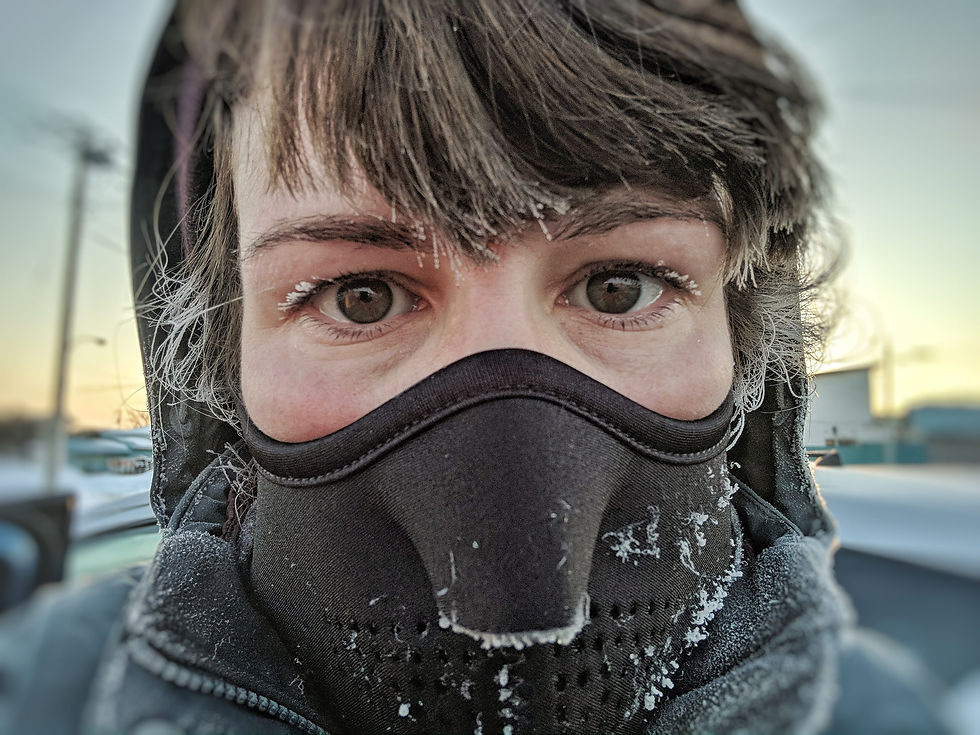
Dressing correctly becomes part of your fieldcraft. The right layers, gloves you can actually operate your camera in, insulated boots, and windproof outerwear all buy you the time you need to settle in, watch behavior unfold, and wait for the moment that tells the story. Staying warm and dry also keeps you from making hurried decisions that could put you at risk—frostbite and hypothermia creep in quietly, especially when you're distracted by a scene unfolding in front of your lens.
Field Tip: Dress not just for survival, but for comfort and clarity. When your body is warm and your hands remain functional, you stay in the field longer, make better creative choices, and stay aware of changing conditions. A comfortable photographer is a safer photographer—and a far more observant one.
Closing Reflection
Winter reveals nature’s resilience in its purest form. The cold strips away everything unnecessary, leaving only movement, behavior, and instinct. Our role as photographers isn’t to alter that story, but to witness it with patience, humility, and care.
When we show up quietly, let wildlife remain wild, and honor the boundaries the season sets, the images that emerge feel richer and more authentic. They carry a sense of intention—a voice shaped as much by observation as by artistry. And more importantly, this approach allows the wild to stay wild in a season of thin margins, where every respectful choice matters.

P.S. If reading this has you dreaming of photographing winter’s quiet beauty yourself, I’ll be leading small-group workshops in Japan in 2027, where snowy landscapes and wildlife behavior unfold in unforgettable ways. You can find more details here. Registration is open now with very limited seating—kept intentionally small to respect the wildlife and ensure a meaningful, micro-group learning experience. If you feel called to step into the field with me, there’s a place waiting for you.


Comments