


Longer Lens, Teleconverter, or More Megapixels: Which Gives You the Best Reach?

Updated: Aug 1

When a wildlife subject remains frustratingly small in the frame, the solution can appear straightforward: use more focal length. In practice, however, photographers have several ways to create tighter framing. They can buy a longer lens, add a teleconverter to a compatible lens, or use a higher-resolution camera and crop afterward.
All three approaches can place more pixels across the subject—or at least make better use of the pixels available—but they do not produce identical results. Each introduces its own compromises involving light, autofocus, image quality, framing flexibility, weight, and cost.
The best answer depends less on which option provides the largest number on paper and more on which limitation the photographer encounters most often in the field.
What Each Option Actually Changes
A longer lens, teleconverter, and higher-resolution camera all help with small subjects, but they accomplish that goal differently.

A Longer Lens
A longer lens creates a larger optical image of the subject on the sensor when the photographer remains at the same distance. More of the sensor is devoted to the animal, which reduces the amount of cropping required later.
Moving from 400mm to 600mm increases the subject’s linear size in the frame by 1.5 times. Because image area grows in two dimensions, the subject covers approximately 2.25 times as many pixels.
The tradeoffs are familiar. Longer lenses can be expensive, heavy, and more difficult to handhold or transport. Their narrower field of view can also make it harder to locate a bird in flight or stay with an animal moving unpredictably through the frame.
A longer focal length also includes less of the background. That can help isolate a subject, but it may work against a photographer who wants to include habitat or leave room for editorial layouts.
A Teleconverter
A teleconverter fits between a compatible camera lens and body, magnifying the optical image before it reaches the sensor. A 1.4× teleconverter turns a 400mm lens into a 560mm lens, while a 2× teleconverter turns it into an 800mm lens.
The additional focal length comes with a loss of light. A 1.4× converter reduces the effective maximum aperture by one stop, while a 2× converter costs two stops. A 400mm f/4 lens, for example, becomes a 560mm f/5.6 with a 1.4× converter or an 800mm f/8 with a 2× converter. These light-loss figures are consistent across manufacturers, including Sony, Nikon, and Canon.
Teleconverters are substantially smaller than another large lens, but they are not universally compatible. The lens must be physically and electronically designed to work with the particular converter.

A Higher-Resolution Camera
A higher-resolution body does not magnify the subject optically. Instead, it records more pixels across the entire frame, giving the photographer more resolution to work with when cropping.
This preserves a wider field of view during capture, which can be particularly helpful with birds in flight, animals moving erratically, or situations where environmental compositions are as important as portraits.
The limitation is that resolution alone cannot manufacture detail. More megapixels will not correct missed focus, subject movement, camera shake, atmospheric distortion, or a lens that cannot resolve enough detail for the sensor.
Longer Native Lens Versus Teleconverter
A shorter lens paired with a teleconverter can approach the framing of a longer native lens, but equal focal lengths do not necessarily produce equal results.
For example, a 400mm lens with a 1.4× converter becomes a 560mm lens—close to a native 600mm. If the original lens is exceptionally sharp, the converter is well matched, and there is sufficient light, the difference may be difficult to see in many final uses.
However, every additional optical element has the potential to reduce contrast or fine-detail resolution. The degree of that loss depends heavily on the specific lens-and-converter combination. Fast professional primes generally handle teleconverters better because they begin with excellent optical performance and wide maximum apertures. A slower zoom used at its longest focal length may show a more noticeable decline.
The reduced effective aperture also affects more than exposure. When wildlife is moving, shutter speed normally needs to remain high. Losing one stop of light may require increasing ISO from 1600 to 3200. A two-stop loss could push it to ISO 6400 under the same conditions.
Modern mirrorless cameras can often continue autofocusing at relatively small effective apertures, but that does not mean performance remains unchanged. Reduced light can affect acquisition speed, tracking confidence, and consistency, particularly in dim conditions or against busy backgrounds.

For these reasons, I do not personally use teleconverters. The loss of light works against the shutter speeds I often need for wildlife, and a converter becomes another piece of equipment to carry, install, remove, and keep track of in the field. I would rather work with a versatile native lens and use crop mode or crop the full-resolution file afterward when I occasionally need tighter framing.
That does not make teleconverters a poor choice for every photographer. In bright conditions, with a compatible high-quality lens and a relatively stationary subject, a 1.4× converter can provide additional subject coverage without requiring another large lens.
Photographers considering one should test the specific lens, converter, and camera combination they intend to use rather than relying on focal-length numbers alone.
A longer native lens becomes more compelling when additional reach is needed regularly, particularly for small birds and other distant subjects. It avoids the converter’s light penalty and additional optical interface, although the improvement comes with greater cost, weight, and handling demands. For photographers who only occasionally need tighter framing, crop mode or a high-resolution file may provide a simpler and more flexible solution.
Teleconverter Versus Cropping a High-Resolution File
A teleconverter magnifies the optical image, so it has the potential to record more genuine subject detail than cropping the unconverted image. The important phrase is “has the potential.”
The lens and converter must resolve that extra detail. Focus must be accurate. Shutter speed must be sufficient. The required increase in ISO cannot erase the benefit through added noise. Atmospheric conditions must also allow the detail to reach the camera.
In ideal conditions, a good teleconverter combination can outperform a heavy crop. The animal covers more sensor pixels at capture, rather than being enlarged later from a smaller portion of the file.
Under less favorable conditions, the result may reverse. A sharp, clean cropped image can look better than a larger but slightly soft converted image. If adding the teleconverter forces the ISO too high, slows autofocus, or reduces the shutter speed below what the subject requires, removing it may produce the stronger final file.
A converter does not reach a single point at which it suddenly exceeds a lens’s resolving ability. Image quality declines gradually as the system’s combined limitations become more visible. High-resolution bodies tend to reveal those limitations sooner because their smaller pixels place greater demands on the lens, converter, technique, and atmosphere.
It is worth testing a teleconverter with the actual lens and camera rather than relying entirely on generalized reviews. Photograph fine detail at realistic working distances, using the shutter speeds and ISO settings typical of your wildlife work. Then compare the converted file with an unconverted image cropped to the same final framing.
That comparison is far more useful than judging both files at different sizes on the back of the camera.
Longer Lens Versus a Higher-Resolution Body
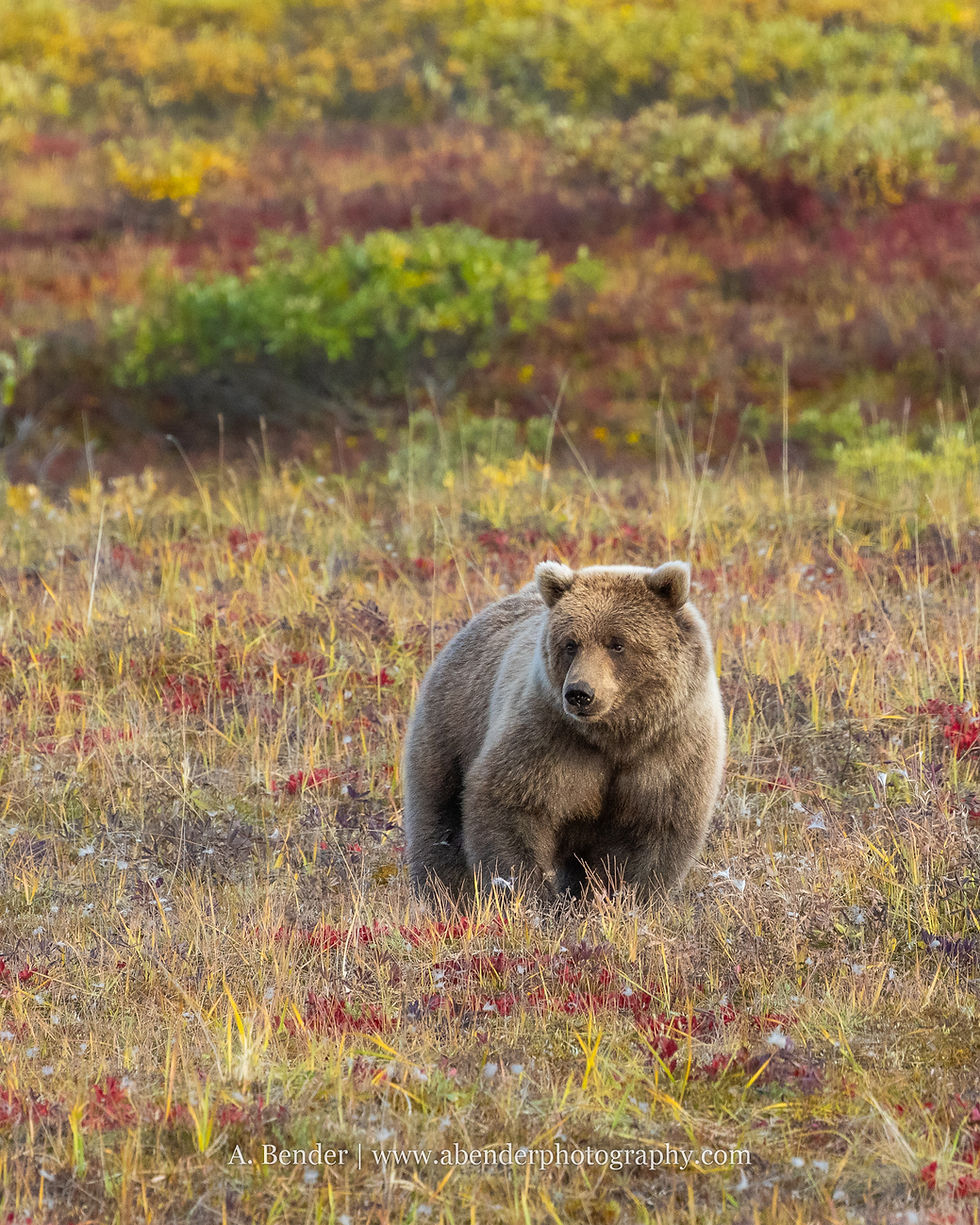
A high-resolution camera can compensate for some difference in focal length, but the crop becomes more substantial than it may initially appear.
Consider a 50-megapixel camera used with a 400mm lens. To match the framing of a 600mm lens from the same position requires a 1.5× linear crop. Because resolution is reduced across both width and height, the resulting file contains approximately:
50 ÷ 1.5² = 22.2 megapixels
That is still a healthy file for online use, editorial publication, and many prints. It is also close to the approximately 21-megapixel APS-C crop produced by a 50.1-megapixel Sony Alpha 1 file. Sony lists the original Alpha 1 at 50.1 megapixels.
This means a 50-megapixel camera paired with a sharp 400mm lens can provide framing similar to 600mm while retaining roughly 22 megapixels. What it does not provide is the same amount of optical subject detail that a high-quality 600mm lens may place across the full sensor.
Whether that matters depends on the final use. Twenty-two megapixels may be more than sufficient for a website, social-media post, magazine page, or moderately sized print. A photographer producing large wall prints, cropping further for layout, or licensing files for varied uses may benefit more from filling the frame optically.
The decision also depends on how frequently the tighter framing is required. A higher-resolution body provides advantages beyond wildlife: greater cropping flexibility, more room for changing aspect ratios, and additional detail for landscapes or commercial work. A longer lens produces a more targeted improvement for subjects that are consistently too small in the frame.
Field Conditions Can Change the Answer
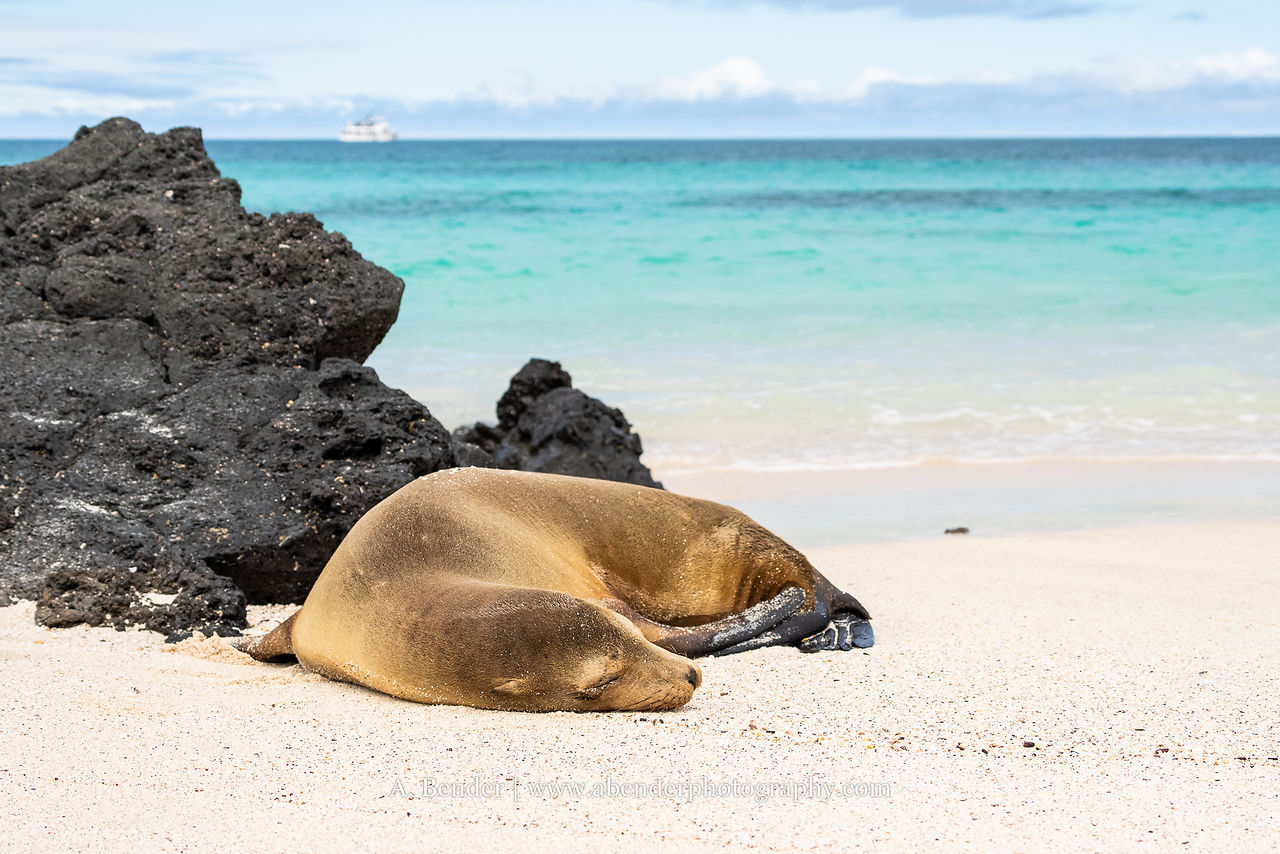


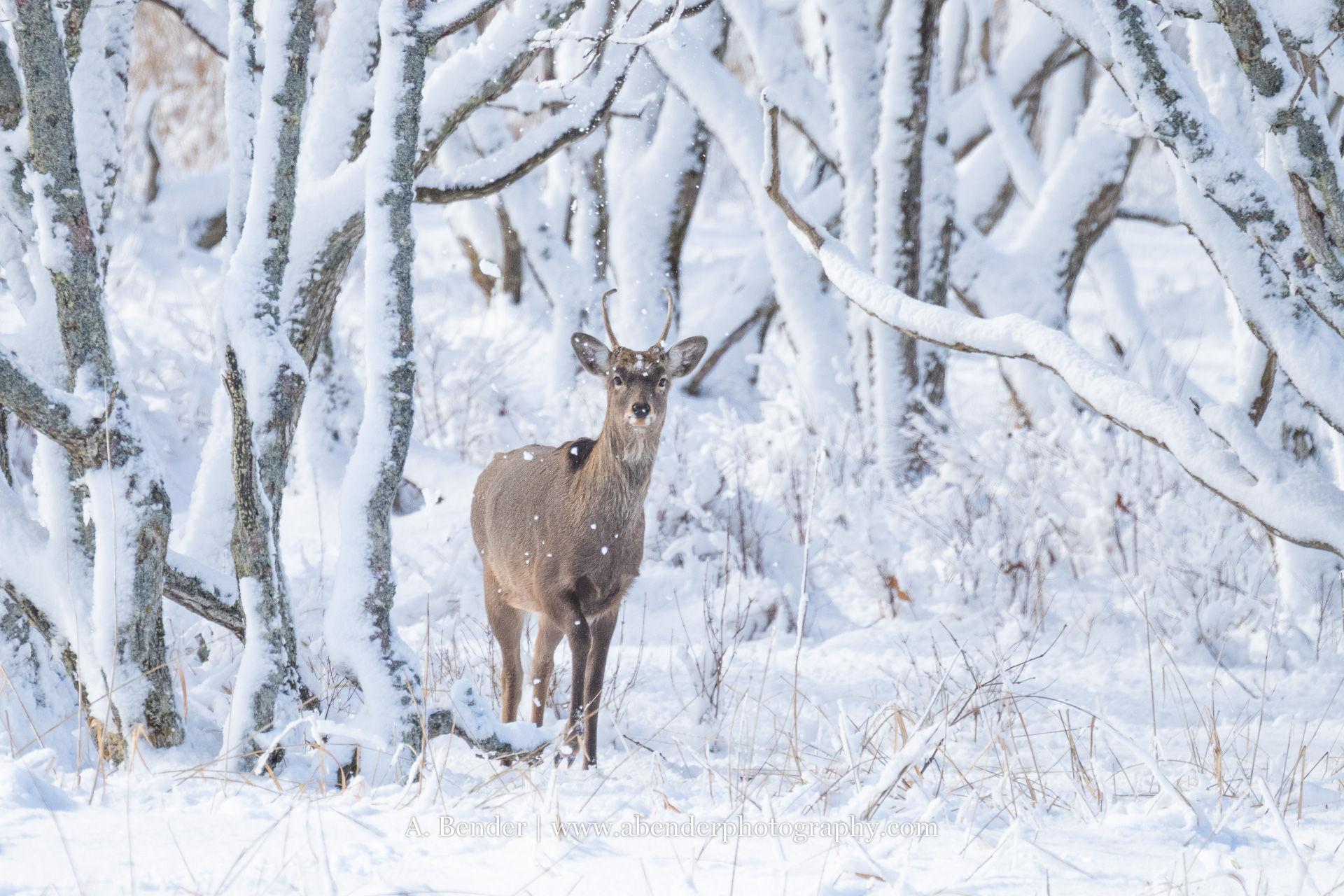

So many conditions can be encountered in the field from sunny, dry days to wet, foggy days. Days with rain or snow or days where the tree canopy cuts the light in half. It will really depend on where you photograph and the species you most frequently target.
Equipment comparisons made under controlled conditions do not always survive contact with an actual animal.
Field condition | Likely consideration |
Bright light and a stationary subject | A teleconverter may provide useful additional subject coverage with manageable compromises. |
Low light or fast action | A wider aperture, faster shutter speed, and reliable autofocus may matter more than filling the frame. |
Air travel or long hikes | A teleconverter or higher-resolution body may provide more flexibility without the weight of another large lens. |
Birds in flight | A slightly wider field of view can make subject acquisition and tracking easier. |
Very distant subject | Heat shimmer, moisture, dust, and atmospheric haze may erase the advantage of additional focal length. |
Unpredictable movement | A shorter zoom or wider composition may preserve wings, feet, and sudden changes in direction. |
Large-print goal | Genuine captured detail becomes increasingly valuable, favoring strong optics and better subject coverage. |
Social-media goal | A moderate crop from a clean, sharp file may be entirely sufficient. |
Very distant subjects deserve particular caution. If heat shimmer is already distorting feather or fur detail, adding focal length simply enlarges that distortion. A teleconverter, longer lens, and 60-megapixel sensor cannot recover information the atmosphere prevented from reaching the camera clearly.
Sometimes the best way to gain more detail is not another piece of equipment. It is waiting for cooler air, improving field position, returning at a different time, or allowing the animal to move closer on its own.
Which Option Fits the Photographer?
There is no single winner because wildlife photographers are not trying to solve the same problem.

A small-bird specialist who repeatedly works with distant subjects may gain the most from a longer native lens. Consistent subject coverage and dependable autofocus can justify the cost and weight.
A large-mammal or safari photographer may prefer a high-resolution body paired with a versatile zoom. Animals can move from distant environmental scenes to frame-filling portraits quickly, making compositional flexibility more valuable than maximum focal length.
A traveling photographer with strict weight limits may prefer a high-resolution body paired with a versatile zoom. While a teleconverter is smaller than another long lens, it remains an additional piece of equipment to carry and introduces a loss of light. Crop mode or cropping a full-resolution file can provide occasional tighter framing without interrupting the shooting process to add or remove an accessory.

A photographer regularly working in low light should be cautious about giving away one or two stops. A faster native lens—or simply retaining the wider aperture and cropping—may produce more usable images.
A large-print photographer benefits from placing as much genuine detail as possible across the sensor. A longer high-quality lens will often provide the strongest foundation when field conditions and technique support it.
A photographer mainly sharing images online may already have sufficient resolution. Improving fieldcraft, focus accuracy, and subject distance could create a larger visible improvement than adding more equipment.
A wildlife and landscape photographer may receive greater overall value from a higher-resolution body because its benefits extend across both genres.
A photographer who wants environmental scenes as well as tight portraits may also prefer the wider capture of a shorter zoom and the freedom to crop selectively afterward.

Solve the Limitation You Encounter Most Often
The best choice is the one that solves a recurring limitation without creating a larger one.
A longer lens offers the strongest optical approach to filling the frame, but it may add substantial cost, weight, and handling challenges. A teleconverter provides the most compact focal-length increase, but it costs light and can affect image quality and autofocus performance. A higher-resolution body offers the greatest framing flexibility, but it cannot replace optical detail that was never recorded.
Before buying anything, consider why the subject is too small. Is the lens consistently too short, or only occasionally? Is the real problem subject distance, field position, autofocus, low light, or atmospheric distortion? What resolution does the final output genuinely require?
More reach is useful only when the rest of the photographic system—from optics and technique to light and atmosphere—can support it.
Continue Reading the Wildlife Photography Reach Series
This article is part of a broader series examining what “more reach” means and when it produces a meaningful improvement:
Together, these articles help separate genuine captured detail from tighter framing—and make it easier to determine whether the next improvement should come from a lens, camera body, accessory, or field technique.


Comments