


Do You Really Need More Reach? A Wildlife Photographer’s Guide to Lenses, Sensors, and Cropping

Updated: Aug 1

When a wildlife subject appears small in the frame, the immediate assumption is often that we need more reach. Sometimes that means a longer lens. In other situations, a crop-sensor camera, additional megapixels, or a different approach in the field may be more useful. Sometimes reach is not the problem at all.
This article is designed as a guidepost for the complete wildlife photography reach series. Each section introduces one of the major questions photographers encounter when working with distant subjects. Use it to identify the issue affecting your photographs, then follow the link within that section to the full article for a more detailed explanation.
You do not necessarily need to read the series in order. If you are deciding between full frame and APS-C, wondering how much you can crop, or trying to understand why a distant animal still looks soft, you can go directly to the topic most relevant to you.

What Kind of Reach Problem Do You Have?
When photographers say they need more reach, they may mean several different things:
The subject is too small in the frame.
The final crop does not contain enough resolution.
The animal is difficult to see or track through the viewfinder.
The subject appears large enough but still lacks detail.
The photograph feels weak because the animal is surrounded by too much empty space.
Each problem has a different solution. A longer focal length can make the subject larger on the sensor, but it cannot correct motion blur, missed focus, atmospheric distortion, or poor light.
For a closer look at the terminology and technical concepts behind reach, read What Does More Reach Really Mean in Wildlife Photography?

Is Sensor Format the Deciding Factor?
An APS-C camera records a narrower field of view than a full-frame camera using the same focal length. That can make a distant animal fill more of the resulting frame, but crop factor alone does not determine how much detail is captured.
Pixel density, total resolution, noise performance, lens quality, and photographing conditions all contribute to the final result. A high-resolution full-frame file may offer as much—or more—cropping flexibility than a lower-resolution APS-C file.
Explore the differences in Crop Sensor vs. Full Frame: Which Gives Wildlife Photographers More Reach?
Should You Use Crop Mode?
In-camera crop mode narrows the recorded area of the sensor, but it does not add optical magnification. On my Sony Alpha 1, APS-C crop mode produces a file of approximately 21 megapixels.
I find it useful when a subject is consistently distant and I want a larger view of it in the viewfinder. For erratic movement or birds in flight, I often retain the full frame so I have more room to recover a clipped wingtip or adjust the composition afterward.
Learn when each approach makes sense in Crop Mode vs. Cropping in Post: Is There an Image-Quality Difference?
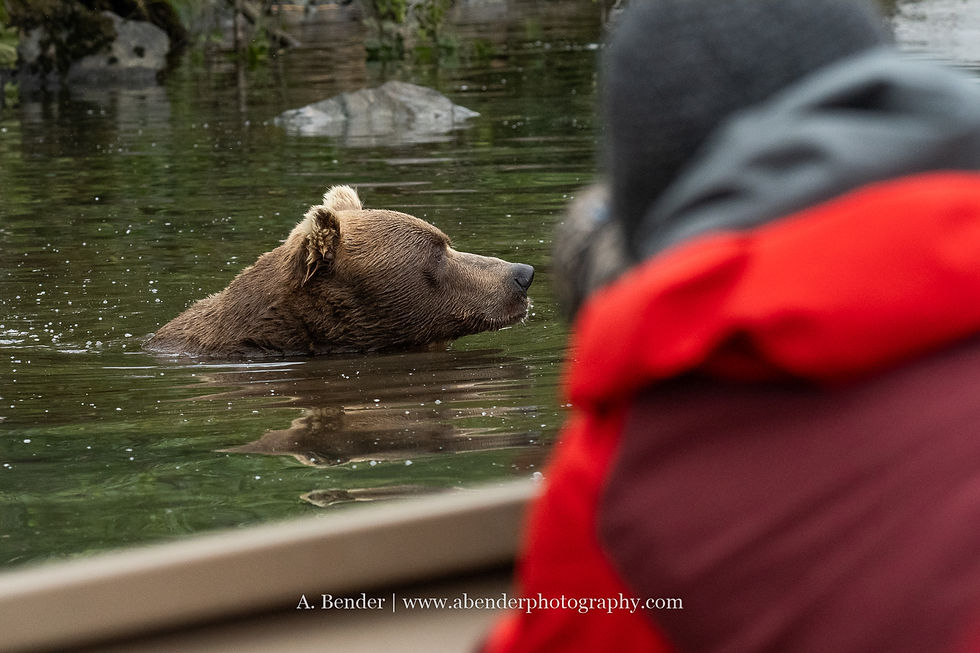
How Much Resolution Does the Final Image Need?
The value of additional megapixels depends heavily on where the photograph will appear. Social media and websites require relatively little resolution. Magazine spreads, books, calendars, competition files, and large wall prints may require considerably more.
Viewing distance, print surface, processing, and the original image quality also influence what the viewer will see. Once a file contains enough resolution for its intended use, focus, subject detail, noise, and movement usually become more important than the camera’s megapixel count.
See practical output recommendations in How Many Megapixels Do Wildlife Photographers Really Need?
Longer Lens, Teleconverter, or More Megapixels?
A longer lens places a larger optical image of the subject across the sensor, making it the most direct way to gain reach. The tradeoffs may include cost, weight, size, and greater difficulty locating moving animals within a narrow field of view.
Teleconverters increase effective focal length but reduce available light and add another piece of equipment to manage. I do not use them in my wildlife work, preferring crop mode or the flexibility of a higher-resolution file.
A higher-resolution camera does not magnify the subject, but it may leave more pixels after cropping—provided the lens, technique, exposure, and atmosphere preserve enough usable detail.
Compare these options in Longer Lens, Teleconverter, or More Megapixels: Which Gives You the Best Reach?

Can the Existing File Tolerate More Cropping?
A sharp, well-exposed file can often withstand a meaningful crop. One affected by motion blur, missed focus, underexposure, heavy noise, or atmospheric distortion may fall apart much sooner.
Noise reduction, sharpening, and enlargement software can improve presentation, but they cannot fully restore detail that was never captured. The intended output ultimately determines whether enough of the original file remains.
Read How Much Can You Crop a Wildlife Photograph and Still Get a Good Result? for a more complete cropping checklist.
Is Reach Really the Limitation?
At long distances, the atmosphere between the camera and the animal may matter more than the equipment. Heat shimmer, humidity, smoke, dust, precipitation, and warm air moving above land or water can obscure fine detail.
Technique can create similar problems. Insufficient shutter speed, camera movement, subject movement, inaccurate focus, and underexposure can all make a photograph look as though the lens lacked reach.
Diagnose those possibilities in Why Is My Distant Wildlife Photograph Still Soft?

Would More Habitat Create a Stronger Photograph?
Not every wildlife image needs to be a tight portrait. Habitat can provide scale, mood, weather, behavior, and a stronger sense of place.
Before cropping, I ask whether the photograph truly becomes stronger when the animal is larger—or whether I simply feel the animal is supposed to be larger. Those are not always the same thing. Sometimes the best response to limited reach is to stop fighting the distance and create an environmental portrait instead.
For a deeper look at using habitat to create scale, context, and a stronger sense of place, read Give Wildlife Room to Breathe: Creating Stronger Environmental Images.
Explore the Complete Wildlife Photography Reach Series
This guide is the starting point for the complete series:
Crop Sensor vs. Full Frame: Which Gives Wildlife Photographers More Reach?
Crop Mode vs. Cropping in Post: Is There an Image-Quality Difference?
Longer Lens, Teleconverter, or More Megapixels: Which Gives You the Best Reach?
How Much Can You Crop a Wildlife Photograph and Still Get a Good Result?
Give Wildlife Room to Breathe: Photographing Animals in Their Environment
Improve Your Wildlife Photography in the Field
Equipment and cropping can solve some reach problems, but stronger fieldcraft often makes the greatest difference. Learning to anticipate animal behavior, work with available light, select a productive position, and approach wildlife responsibly can create better opportunities without relying solely on a longer lens.
More reach is useful only when it solves the actual problem. The strongest wildlife photograph is not necessarily the one with the largest animal in the frame. It is the one in which equipment, technique, conditions, and composition work together to communicate the experience.
If you would like to develop these skills through hands-on instruction, visit my photo adventure page to explore opportunities to join me in the field. My photo adventures emphasize small groups, ethical wildlife photography, and practical instruction shaped around the subjects, environments, and conditions we encounter.


Comments