


How to Avoid Mosquitoes, Ticks, and Biting Flies While Photographing Outdoors


Warm-weather photography often means working through mosquitoes, ticks, and biting flies right along with the light, humidity, and long hours in the field. The good news is that avoiding insect bites is usually less about finding one perfect product and more about building a smart field routine. Clothing choice, color, repellent strategy, and a little care around camera gear can all make a real difference. With a few practical habits, it is possible to stay more comfortable, protect your equipment, and keep the bugs from pulling attention away from the images you came out to make.
Start with Coverage, Not Just Repellent
One of the easiest ways to reduce bites is to cover more skin from the start. Long pants are worth wearing even in hot or humid weather if the fabric is lightweight, breathable, and quick-drying. That extra coverage can make a real difference without making the day miserable. Socks matter too, especially for anyone photographing in tick country. Ankles are easy to overlook, but when pushing through grass, brush, or field edges, exposed skin there can become an easy access point. Tick guidance from CDC materials emphasizes protective clothing and the use of repellents as part of personal protection.
Let Clothing Do Some of the Work
Clothing can help even more when it is treated for insects. For photographers who spend a lot of time outside, it is worth considering garments that come pre-treated or maintaining field clothes with permethrin-based treatment products. That does not replace awareness or common sense, but it can add a useful layer of protection before bugs ever reach skin. CDC materials on tick protection specifically include treated clothing and EPA-registered repellents as part of recommended prevention.
Pay Attention to Color Choice
Color choice can also work in your favor. Some biting insects are more attracted to certain colors, so what clothing goes into the field is not just a comfort decision. Flies are often drawn to blue, while darker tones can make mosquitoes more likely to notice you. Many who have traveled to parts of Africa may have heard this advise as a way to avoid the tsetse fly and malaria-carrying mosquitoes, but it applies to these families of Diptera around the world. Avoiding black, dark brown, and bright blue when possible can be one more small way to reduce attention before insects ever get close. Research reviews on mosquito host-seeking show that mosquitoes use multiple visual and sensory cues, including contrast and other host cues, to locate people, so again, its not a one step to stop them.

Choose Repellent Based on the Situation
When repellents are needed, I tend to choose them based on what I am dealing with. DEET works well, and I will absolutely use it when heading into areas saturated with ticks. But when mosquitoes are the main problem, I usually prefer other options. In malaria-prone regions, I lean toward picaridin lotion. In other regions, I often reach for a botanical option instead such as Off! Botanicals (wipes for easy packing is my regular go-to).
What a Touch Repellent Actually Means
Part of that choice comes down to how DEET works in practice. DEET is what I think of as a touch repellent. In other words, it does not create an invisible no-fly zone around you. It works when an insect encounters treated skin or clothing and is deterred from landing, staying, or biting. That is one reason I do not love relying on it alone for mosquitoes in heavy swarms; sometimes they are still more than happy to hover around while they sort out that they do not want to land. The ATSDR toxicological profile describes DEET as a repellent used to repel, not kill, biting insects, mites, and ticks.
Protect Your Gear from Your Bug Spray
There is also the gear issue. DEET can damage some plastics, rubber, and synthetic finishes, which makes it something I prefer to keep well away from camera bodies, eyecups, buttons, straps, and other equipment whenever possible. If I do apply DEET, I am careful about where it goes, and I make sure my hands are cleaned before handling cameras or lenses. At minimum, using an alcohol-based hand cleaner after application is a good habit. That simple step can help reduce the chance of repellent residue ending up on expensive gear. DEET’s widespread use and direct skin application are documented by ATSDR, and caution around material contact is consistent with common manufacturer warnings because DEET can act as a solvent on some surfaces. No one wants their camera grips to be deteriorating by the end of summer do they?

Why Mosquitoes Seem to Prefer Some People
It is also worth noting that mosquito choice is not completely random. Research shows that some people are consistently more attractive to mosquitoes than others, and the strongest factors appear to be things like body odor, skin chemistry, carbon dioxide output, body heat, genetics, and the skin microbiome. Studies and reviews have found that differences in skin odors and skin microbes can help explain why one person gets swarmed while another nearby seems barely noticed.
What Science Says About Diet
Diet does enter the conversation, but the science there is more nuanced than many outdoor myths suggest. Evidence does suggest that what we consume can sometimes influence mosquito attraction, and alcohol is one of the more consistently discussed examples in the literature. There is also emerging research showing that diet can alter human odor chemistry in ways mosquitoes may respond to. But overall, the science points much more strongly toward underlying scent chemistry and other biological traits than toward simple day-to-day food myths like “sweet foods make you tastier.”
Don’t Let the Bugs Keep You Out of the Field
None of this is about making the field sterile or risk-free. It is about giving yourself a better shot at staying comfortable, focused, and present. A few thoughtful choices in clothing, repellent, color, and gear handling can go a long way. Bugs may be part of the season, but they do not have to be the reason to stay home. With a little preparation, it is entirely possible to keep photographing through the heat, humidity, and hatch and still come back with both good images and a better experience outside.

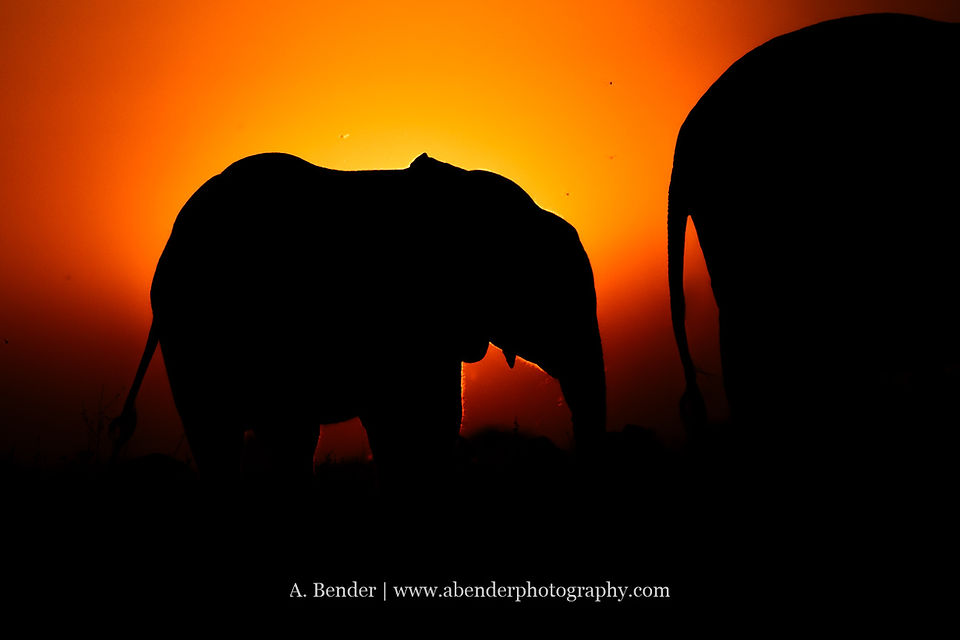

These are just a few examples of images created based on the instances surrounding the images above. The first is of the musk ox herd we were photographing when the mosquitoes descended upon us. The second image is from Botswana, at sunset - a time when mosquitoes are most active - and I didn't have a single bite on me where I applied the lotion. Finally, the third is one of the images I was able to capture while on my night hike through the Costa Rican mountainous rainforest that night pictured above.


Comments